
Native vs. Cross-Platform App Development: Which Is Better for Your Business?
 xt-admin
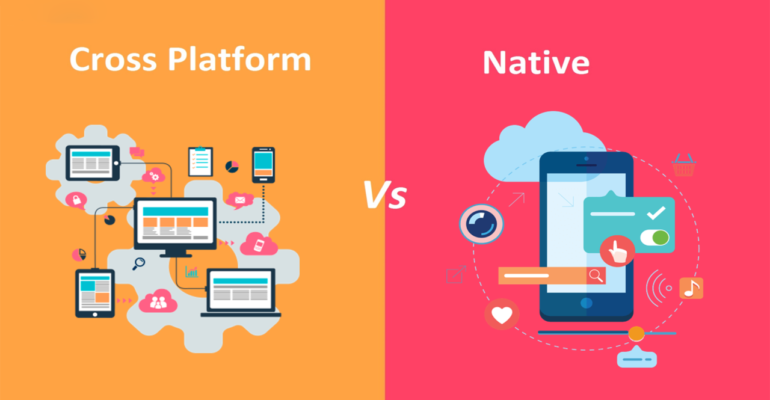
Deciding on the best approach for mobile app development is an important step when looking to develop a mobile app. The two most common types of app developments are Native Apps and Cross-Platform Apps.
Which is right for you?
This will depend on a number of factors such as your business goals, audience, budget and which features you want your application to have. Knowing what makes them different will allow you to make a more informed decision before beginning your app development journey.
What Is Native App Development?
Native app development is where you build an application for a single operating system. You will write the code using the native languages and tools provided by the platform.
- Android apps will be written in Kotlin or Java.
- iOS apps will be written in Swift or Objective-C.
As these are built for a specific platform they can make the most of all the features available.
Benefits of Native App Development
If your business wants fast performing and platform specific apps then Native apps is the right option.
Some key benefits include:
- Fast performance – Native apps are optimised for their operating system. This gives them great performance.
- Better user experience – Native apps follow the platforms design guidelines which makes for an intuitive user experience.
- Access to devices features – Native apps can easily access features such as camera, GPS, biometric and more.
- Security – Native apps have access to security features specific to the platform.
If you have apps with complex features and heavy processing needs Native app development can be a good option.
Limitations of Native App Development
Despite these advantages, native development also has some challenges.
- Separate development is generally required for Android and iOS.
- Building and maintaining two applications can increase costs.
- Development may take longer when targeting multiple platforms.
- Updates and bug fixes may need to be managed separately.
What Is Cross Platform App Development?
Cross-Platform App Development refers to the ability to create apps for multiple operating systems using one set of code.
Rather than having to create new apps from scratch, you can use a lot of the same code when developing for Android and iOS.
Popular cross-platform technologies include:
- Flutter – A framework developed by Google for multi-Platform App Development.
- React Native – A framework which uses JavaScript and React to build your mobile app.
- .NET MAUI – A framework which uses C# to allow you to create multi-platform apps.
This will help your business target users on a variety of devices without having to maintain separate sets of code.
Advantages of Cross-Platform App Development
It provides an efficient way to provide apps on different platforms.
Some advantages include;
- Reuse of code – developers are able to reuse much of the code when developing apps for android and iOS.
- Lower costs – you can save money by reusing code.
- Faster development – you can speed up development by using shared code.
- Reach more people – your app will be available on both android and iOS.
- Easier to maintain – any updates and improvements can be done using shared code.
Native vs. Cross-Platform App Development: Key Differences
Both approaches can help businesses build effective mobile applications, but they differ in how they are developed and maintained.
Here is a quick comparison:
| Comparison | Native App Development | Cross-Platform App Development |
| Development | Separate codebases for platforms | Shared codebase |
| Performance | Highly optimized for each platform | Depends on framework and implementation |
| Development Cost | Generally higher for two platforms | Often more cost-efficient |
| Development Time | May take longer | Often faster |
| Maintenance | Separate platform updates | More centralized updates |
| User Experience | Platform-specific experience | Consistent experience across platforms |
| Device Integration | Direct platform access | May require additional integrations |
Which type of App Development Should You Choose?
There is no one-size-fits-all approach when it comes to app development. You should consider what you want your mobile application to do and decide whether:
- Native app development would be best for:
- Your Business requires high performance apps with complex functionality
- Advanced camera, GPS or hardware integration
- Apps with platform specific features
- Apps with high graphic or processing requirements
- A highly customised experience for Android or iOS
Gaming apps, advanced finance platforms and devices with high integration requirements could benefit from using a native app.
Choose Cross-Platform App Development If:
Cross-platform development may be a better fit if your business wants:
- To launch on Android and iOS with a shared codebase.
- To manage development costs effectively.
- To reach a wider mobile audience.
- To develop business applications with standard features.
- To simplify ongoing updates and maintenance.
For example, customer service applications, booking platforms, business management apps, and e-commerce applications can often work well with cross-platform development.
Things to consider when deciding on app development options
Before getting started with developing a mobile app there are some key things to consider:
Business Objectives
What are you looking to achieve with your application? Whether it be improving customer engagement, streamlining processes or providing digital services to customers, this should be your starting point.
Budget
How much do you have to spend on developing your application? Consider your initial development costs as well as any ongoing support costs. If you go with cross platform development this can help bring down costs by sharing code. However if you decide to go with native development this could be a bigger investment for multi platform use.
Target audience
Know which devices your users are most likely to be using. If your target audience uses a mixture of Android and iOS then you will need to cover both platforms in your development.
Application requirements
List the features you require from your application, such as:
Payment options Location Push notifications User logins Third party integrations
Some features can be easily implemented using either method but some features may be best using Native development.
Future scalability
Consider how your application may develop in the future. Choose a method that allows for new features, more users, system integrations and regular updates.
Why Professional Mobile App Development is Important
Once you have decided on the best development approach there are lots of things to consider when developing your application. These include planning, design, coding, testing and support.
By working with an experienced mobile app development team you will be able to:
- Ensure you choose the right technology
- Design an easy to use application
- Develop secure and reliable features
- Test your application on different devices
- Plan for any future developments or maintenance
A professional development process will ensure that your application meets your business requirements and customers’ expectations.
Conclusion: Choosing the Right Technology for Your Business
Developing native apps can provide great benefits if you need advanced features specific to your platform. Whereas developing cross platform apps can help you launch your app on multiple platforms with higher reusability of code.
Consider your budget, audience, features and goals to ensure that you are choosing the right development method for your business so that your application will provide a reliable user experience and help grow your business.
If you’re looking to develop a mobile application then get in touch with an experienced development team to discuss your needs and find the correct solution for your business.
Frequently Asked Questions
Company Portfolio