
Is Your Website Ready for AI Search? 10 Things to Check

 xt-admin
Search is changing. Not only people are turning to traditional search results and blue links but also to other sources for finding the right answers to queries. AI powered search tools will not only give the summarized version of the content but shall also help by making comparisons between businesses, answering queries, and steering users toward the next move.
So, the presence of a website nowadays is no way to compete in this era. Your site has to be optimized to be understood not only by search engines, but also by the AI and real users. Whether you are planning to launch a new website, looking for a website development company or deciding on the type of SEO service you want to get, it is definitely good to ask the most relevant questions like-
Is your website ready for AI Search?
Here are 10 important things to check.
1. Does Your Website Clearly Explain What You Do?
AI systems need context.
If your homepage contains vague marketing statements such as “We create digital experiences” without explaining your actual services, location, audience, and expertise, it becomes harder to understand your business.
Your website should clearly communicate:
- What your business does
- Which services you provide
- Who you serve
- Where you operate
- What makes your business different
- How customers can contact you
For instance, rather than depending solely on catchy slogans, a web development company should precisely explain its services.
Quick Check
Ask someone unfamiliar with your business to visit your homepage for 10 seconds.
Can they explain what you do and who you help?
If not, your website needs clearer messaging.
2. Is Your Content Built Around User Intent?
Traditional SEO often focuses heavily on keywords. Modern search requires a broader understanding of search intent.
Users may search:
- What is web designing?
- How much does website development cost?
- What does an SEO service include?
- How can SEO improve my website?
- What is AEO?
- How does AI Search work?
Your content should answer the actual questions behind these searches.
Think Beyond Keywords
Instead of creating a page simply because a keyword has search volume, ask:
“What does the user actually want to know?”
This approach helps create content that is more useful for traditional search and AI-generated answers.
3. Is Your Website Easy for AI to Understand?
AI systems need to interpret relationships between information.
Clear headings, descriptive paragraphs, lists, tables where appropriate, internal links, and logically organized pages can make your content easier to understand.
For example:
Web Design Services
→ Website UI/UX
→ Responsive Web Design
→ E-commerce Design
→ Website Redesign
This type of organization creates a clear relationship between your main service and supporting topics.
Semantic SEO Matters
Don’t focus only on repeating one keyword.
Build topical relevance around related concepts such as:
- Website usability
- Responsive design
- User experience
- Website accessibility
- Technical SEO
- Page speed
- Content structure
- Conversion optimization
This creates a stronger semantic relationship around your topic.
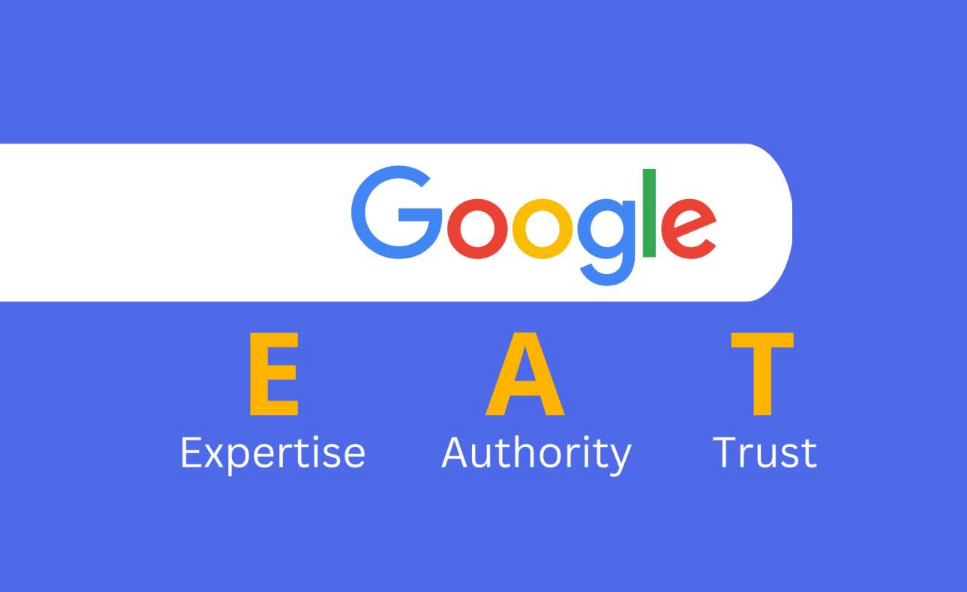
4. Does Your Website Demonstrate E-E-A-T?
AI Search increasingly makes trust and credibility important considerations.
Your website should demonstrate:
- Experience — Show real projects, case studies, examples, or practical experience.
- Expertise — Explain your services accurately and demonstrate industry knowledge.
- Authoritativeness: Make sure that there are credible mentions, references, reviews, and presence in general.
- Trustworthiness: Help the users to be able to find you, contact you, and know who you are as a business entity.
Add Real-World Evidence
Instead of simply saying:
“We provide professional SEO services.”
5. Is Your Website Optimized for AEO?
Answer Engine Optimization (AEO) focuses on making content useful for systems that provide direct answers.
This is particularly important as users increasingly ask complete questions rather than typing short keywords.
For example:
Instead of:
a user might ask:
- “What is included in an SEO service for a small business?”
Before going into further detail, your material should give a clear, succinct response.
AEO-Friendly Content Structure
Use:
- Question-based headings
- Direct answers
- Short explanatory paragraphs
- Bullet points
- Step-by-step information
- FAQs
- Definitions
- Comparison sections
This structure makes information easier to scan and understand.
6. Is Your Website Technically Healthy?
Great content cannot compensate for a website with serious technical problems.
Check:
- Mobile responsiveness
- Page loading speed
- HTTPS security
- Crawlability
- Indexability
- Broken links
- Canonical URLs
- XML sitemap
- Robots.txt
- Core Web Vitals
- Proper redirects
Your web designing and development decisions can directly influence the user experience and technical foundation of your website.
A professional web development company should consider SEO during development—not as an afterthought.
7. Is There Good Internal Linking on Your Website?
Internal links help search engines understand the architecture of your site and help people find what they are looking for.
A post about web design, for example, could well link to
- Web development
- SEO services
- UX design
- Website maintenance
- E-commerce development
- Conversion optimization
Likewise, a blog about AI Search can link to relevant SEO and AEO service pages.
8. Does Your Website Answer Conversational Questions?
AI Search is making conversational queries increasingly important.
Users may ask:
- “What should I look for when hiring a web development company?”
- “How can I improve my website’s visibility in AI search?”
- “What is the difference between SEO and AEO?”
- “How does website design affect SEO?”
Create content that addresses these natural-language questions
9. Is Your Local Business Information Clear?
If you serve a specific geographic market, make that information obvious.
Your website should consistently communicate relevant details such as:
- Business name
- Service area
- Business location
- Contact information
- Service locations
- Local service pages
- Customer reviews
- Business experience
This can support local SEO and GEO (Generative Engine Optimization) efforts.
AI Search Readiness Checklist
Before considering your website AI-ready, ask:
☐ Is our business clearly explained?
☐ Are our services easy to understand?
☐ Does our content match user intent?
☐ Do we demonstrate real experience?
☐ Is our content structured for AEO?
☐ Is our website technically healthy?
☐ Do we use relevant internal links?
☐ Do we answer conversational questions?
☐ Is our local business information clear?
☐ Does our content provide original value?
If you answered “no” to several of these questions, your website may have opportunities to improve its visibility across modern search experiences.
Final Takeaway
AI Search is revolutionizing the way people get information, but effective digital marketing is based on things that have always been important.
A website that not only outlines the services clearly but answers the questions customers really have, presents the experience well, gives a trustworthy source of information and in general a nice user experience will definitely have a stronger position in terms of nowadays search results.
If your website was designed years ago around “rank for a keyword and get clicks,” it may be time to rethink the strategy.
Frequently Asked Questions
Company Portfolio